
Would you like to better understand Fiordland’s marine environment?
The Guardians and Department of Conservation invite you to join us for a special afternoon in Te Anau, where marine scientists will be sharing their latest findings and insights.
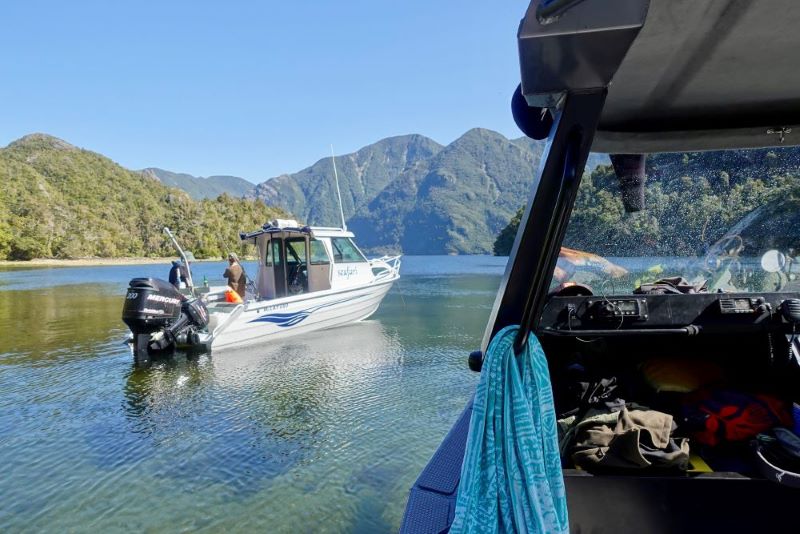
Every visitor must play their part in keeping this special corner of New Zealand safe.
Before you come:
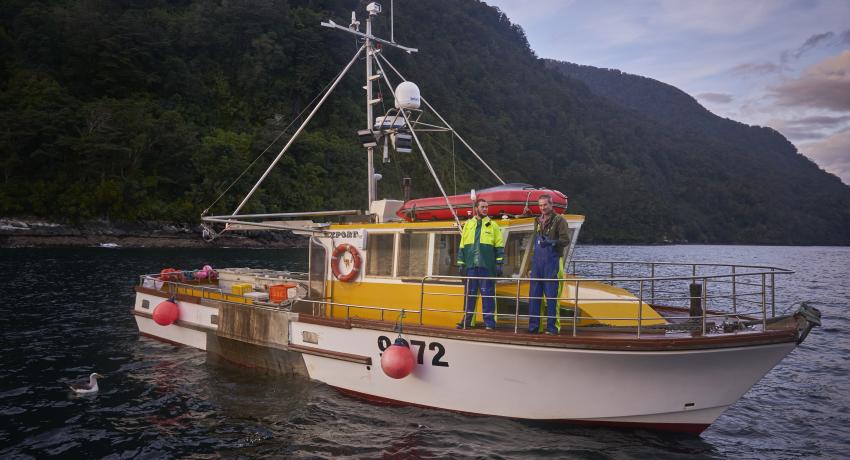
Anchorages and moorings in Fiordland range from small sheltered bays to fully enclosed coves.
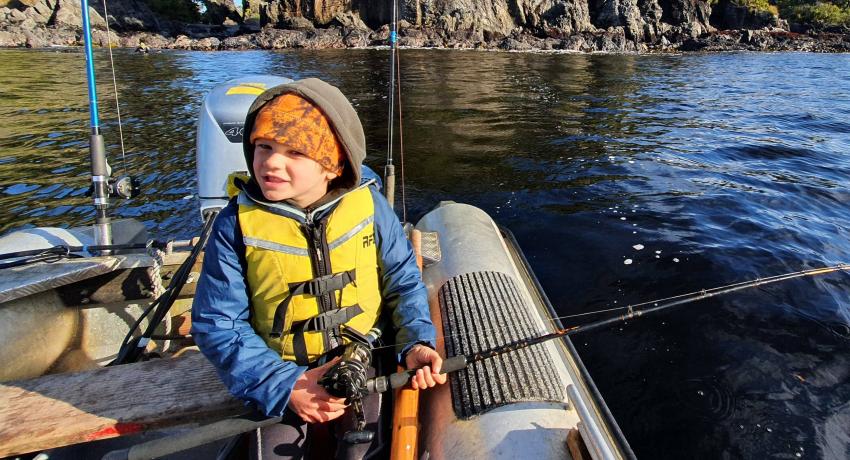
Our goal as Guardians is to ensure that fishing in the Fiordland Marine Area can be enjoyed by many generations to come.
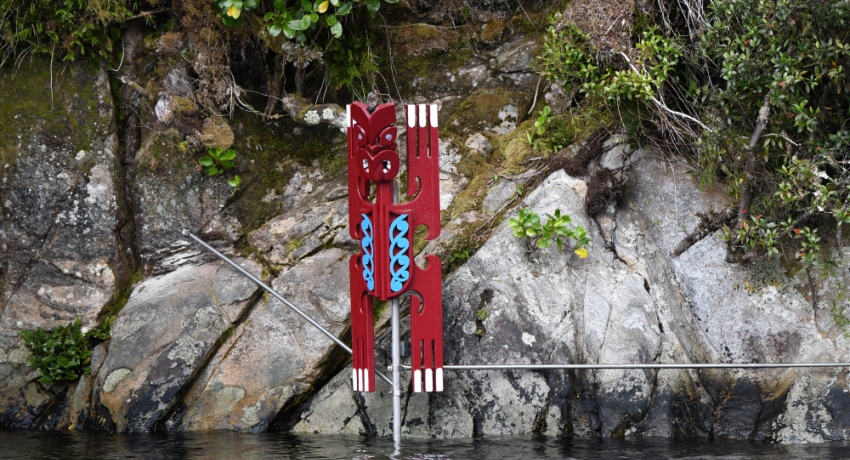
Fiordland is a special and unique marine environment, surrounded by natural and undeveloped native forest.
Download Te Panui Kaitiaki o Ata Whenua, Issue 10, December 2023 or you can view all the Guardians' newsletters.
Read about the work of the Guardians and our partner agencies in our latest annual report [PDF, 5.3 KB] or view all our annual reports.
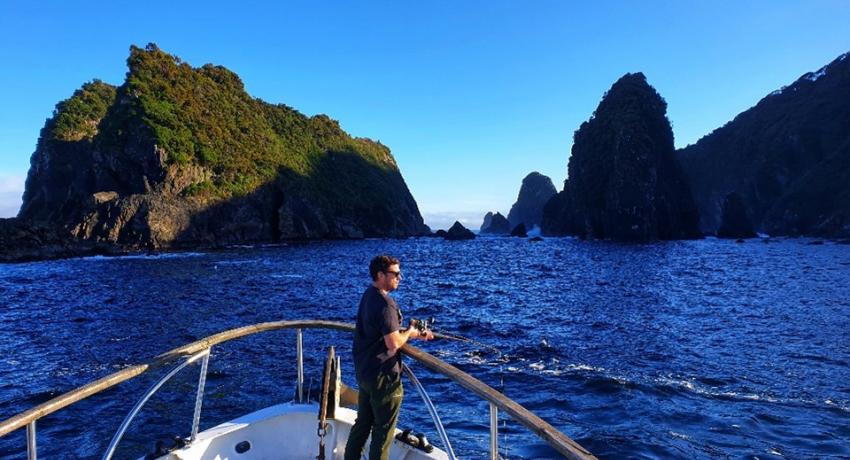
Read about the Guardians’ work on sustainable fisheries in the fiords and learn more about the proposed changes to the amateur fishing regulations in the FMA that are being consulted on from 22 August 2022.
Would you like to better understand Fiordland’s marine environment?
The Guardians and Department of Conservation invite you to join us for a special afternoon in Te Anau, where marine scientists will be sharing their latest findings and insights.
No less than three years after we began investigating concerns of over-fishing in the Fiordland (Te Moana o Atawhenua) Marine Area, we are pleased to announce new recreational fishing rules for the Fiordland Marine Area (FMA).
As a group, we're responsible for managing and caring for Fiordland's precious marine environment.
Rebecca has extensive knowledge of Fiordland, from the rainforests to its…
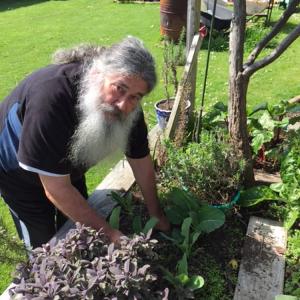
Stewart has extensive knowledge of the customary uses of Fiordland,…
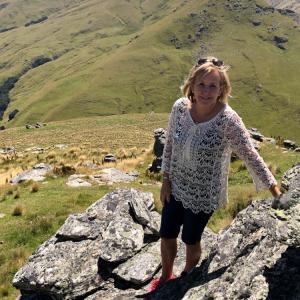
Ali’s passion for and interest in Fiordland began when she moved…
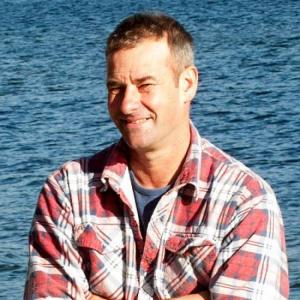
Pete has worked on boats…
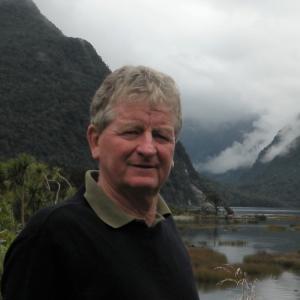
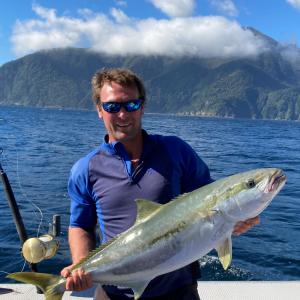
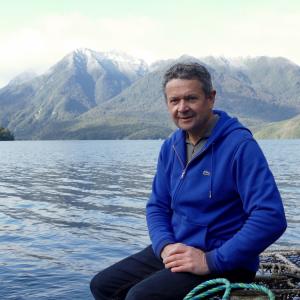
Mark has been a commercial fisher for almost 30 years and is a shareholding…
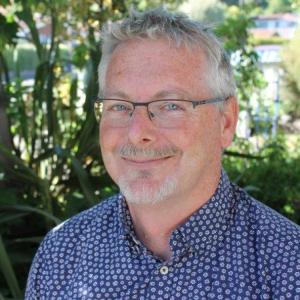
Simon is a marine scientist, specialising in marine mammals, with more than…